Clover honey is produced by honeybees that collect nectar primarily from clover plants, which is rich in nectar. This light colored honey is popular not only for its taste but also for its potential health benefits.
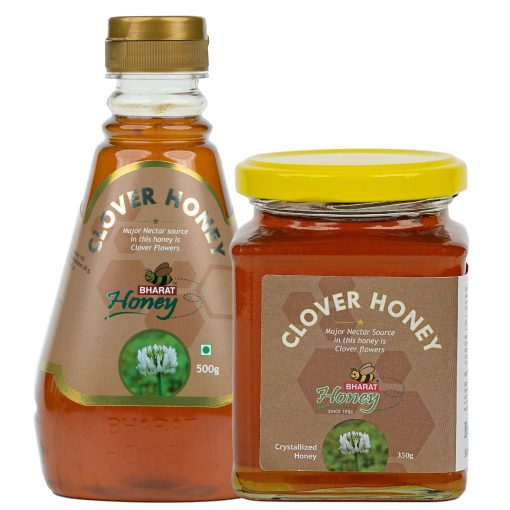
Bharat Clover Honey, also known as Berseem Honey, is a pure, natural, raw honey associated with nectar collected by honeybees from flowering clover plants.
Appreciated for its light appearance, gentle sweetness and pleasant floral character, Clover Honey is particularly suitable for customers who enjoy mild honey varieties.
Bharat Honey sources Clover Honey directly from experienced beekeepers during the seasonal flowering period, when clover blossoms provide nectar for their honeybee colonies.
Product: Clover Honey
Also Known As: Berseem Honey
Associated Floral Source: Clover blossoms
Berseem Botanical Name:Trifolium alexandrinum
Flowering Season: Commonly late April to mid-May in our sourcing areas
Colour: Generally light-coloured
Flavour: Gentle floral sweetness
Honey Type: Apiary honey
What Is Clover Honey or Berseem Honey?
Clover Honey is produced when honeybees collect nectar from clover flowers. Different clover species grow in different parts of the world, contributing to the international familiarity of this honey variety.
In India, Berseem is an important cultivated fodder crop for livestock. It is botanically known as Trifolium alexandrinum, also called Egyptian Clover.
Berseem belongs to the legume family, Fabaceae, rather than the grass family. Its flowers can provide forage for honeybees when the crop is allowed to reach the flowering stage.
Clover Honey is commonly described as a monofloral honey when its botanical composition meets the applicable requirements for a predominant floral source.
Clover Flowers – The Nectar Source
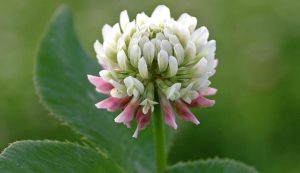
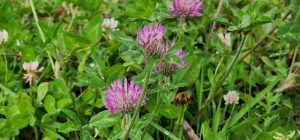
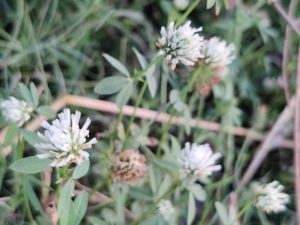
Clover plants produce clusters of small flowers that may attract visiting honeybees. Flower colour, arrangement and appearance depend on the clover species.
White clover flowersPink clover blossomsClover flowering in the field
Note: Clover includes several botanical species. The photographs illustrate clover flowers and should not be treated as confirmation of the botanical origin of a particular honey batch.
Clover Flowering Season and Honey Production
In Bharat Honey’s sourcing experience, the principal Clover Honey harvest is associated with a relatively short flowering period, commonly extending from the last week of April to around mid-May.
The actual flowering period may differ according to climate, cultivation practices, altitude and seasonal weather conditions.
When sufficient clover flowers are available, beekeepers position their honeybee colonies within suitable foraging distance of the fields.
Honeybees visit the flowers, gather nectar and process it into honey inside their hives. The quantity harvested depends on the intensity of flowering, nectar availability and colony conditions.
Watch Clover Honey and Its Floral Source
How Bharat Clover Honey Is Collected
Bharat Clover Honey is an apiary honey collected from managed honeybee colonies maintained by experienced beekeepers.
During the clover nectar-flow period, bees gather nectar and store the resulting honey in frames inside their hives.
Once suitable honey-bearing frames are ready for harvesting, beekeepers remove them and use a honey extractor to separate honey from the comb.
This method allows the comb structure to be retained for further use in the hive, depending on its condition and the beekeeper’s management practices.
Direct Procurement from Clover Honey Beekeepers
Bharat Honey maintains direct relationships with beekeepers and visits honey-producing regions to understand seasonal floral sources and procurement conditions.
For Clover Honey, the flowering stage of the crop and the surrounding floral environment are particularly important considerations.
Our approach helps us select suitable harvests directly rather than depending exclusively on intermediaries.
No middlemen. Direct from the source.
Why Clover Honey Availability Can Change
Although Berseem is an important fodder crop, large cultivated areas do not necessarily guarantee a substantial honey harvest.
Farmers may cut fodder crops before flowering, reducing the number of flowers available to bees. The cutting schedule, crop variety, weather and nectar secretion conditions can all influence honeybee forage availability.
Bharat Honey has observed challenges in obtaining desirable Clover Honey harvests, particularly where nectar availability is limited during the collection season.
Claims that newer hybrid Berseem varieties necessarily produce less nectar, or that Clover Honey production is declining across India, would require specific supporting agricultural and production data.
Taste, Colour and Aroma of Clover Honey
Clover Honey is widely appreciated for its gentle, approachable flavour.
Light Colour
Bharat Clover Honey generally has a relatively light appearance. The exact colour can vary with nectar composition and harvesting conditions.
Mild Sweetness
Its sweetness is generally pleasant without the pronounced pungency associated with strongly aromatic honeys such as Ajwain.
Gentle Floral Aroma
Clover Honey offers a subtle floral character that makes it appealing to customers who prefer a milder honey for everyday food pairings.
How We Handle Raw Clover Honey
After extraction and procurement, Bharat Clover Honey is transported to our handling and packing facility in Hyderabad.
Where necessary, the honey is gently warmed to assist its flow and strained through approximately 150–200 micron cloth to remove larger visible particles.
Our raw honey handling approach avoids pasteurisation and ultrafiltration. The objective is to retain the natural floral character of the honey without unnecessary processing.
Understanding Berseem and Monofloral Clover Honey
Several clover species are important nectar or forage plants. Berseem, or Egyptian Clover, is Trifolium alexandrinum, while common White Clover is Trifolium repens.
These are botanically distinct plants even though both belong to the clover group.
A monofloral honey claim should be supported by suitable botanical evidence, including the relevant pollen profile and corresponding characteristics required by the applicable honey standards.
The presence of clover flowers near a beehive does not, by itself, establish that a particular harvest is monofloral.
Quality Assessment and Honey Authenticity
Bharat Honey’s approach to honey quality combines sourcing information with appropriate laboratory assessment.
Laboratory methods such as NMR, LC-HRMS and isotope analysis can help investigate different aspects of honey authenticity, depending on the sample and test scope.
Explore our available Bharat Honey Laboratory Reports. Published results should be interpreted according to the individual honey variety and sample identified in each report.
How to Enjoy Natural Clover Honey
The mild floral character of Clover Honey makes it easy to pair with foods where a strong honey aroma is not preferred.
Breakfast: Enjoy with bread, toast or freshly prepared chapati.
Tea and Beverages: Use as a natural sweetener according to your taste.
Fruit and Curd: Add a small quantity for gentle sweetness.
Direct Tasting: Compare its delicate flavour with more strongly aromatic honey varieties.
Like other honey varieties, Clover Honey naturally contains sugars and should be enjoyed in moderation as part of a balanced diet.
Frequently Asked Questions About Clover Honey
Is Berseem Honey the same as White Clover Honey?
Not necessarily. Berseem is Trifolium alexandrinum, while common White Clover is Trifolium repens. Both are clover species, but their botanical identity is different. The actual source of a honey harvest should be established through suitable evidence.
Why is Berseem grown for cattle if its flowers also provide nectar?
Berseem is primarily cultivated as a nutritious fodder crop. When allowed to flower, it can also provide forage for honeybees. Whether bees can benefit depends partly on how the crop is managed and when it is cut.
Can cutting Berseem before flowering reduce honey production?
Yes. When the crop is cut before producing flowers, fewer blossoms are available to visiting honeybees. This can reduce nectar-foraging opportunities, although actual honey production also depends on other available flowers and seasonal conditions.
Is Bharat Clover Honey suitable for people who dislike strong honey aromas?
Clover Honey is generally a good variety to consider if you prefer mild sweetness and a gentle floral aroma. Taste is personal, however, and the precise flavour may differ between harvests.
Discover Clover Honey at Our Experience Centre
Learn about different floral honeys and compare their flavours at the Bharat Honey Experience Centre in Hyderabad. You can explore the contrast between mild Clover Honey and stronger varieties, subject to tasting availability.
Customer Experiences
Share your feedback in the Reviews section of this product page. You can also explore Bharat Honey customer reviews from Amazon for experiences across our wider honey range.
Important Product Information
Bharat Clover Honey is a natural food containing sugars. Its floral source does not establish specific medical or therapeutic benefits.
Do not give honey to infants below 12 months of age.
Store in a tightly closed container away from moisture, excessive heat and direct sunlight.
Follow the current product label for nutritional information, storage instructions and the declared best-before period.

Reviews
There are no reviews yet